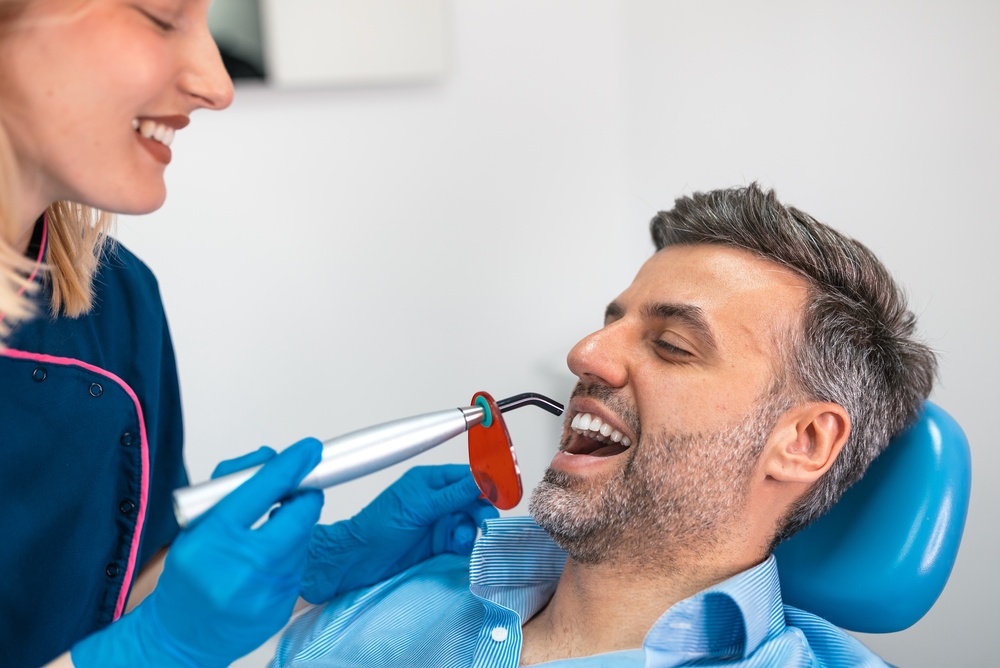
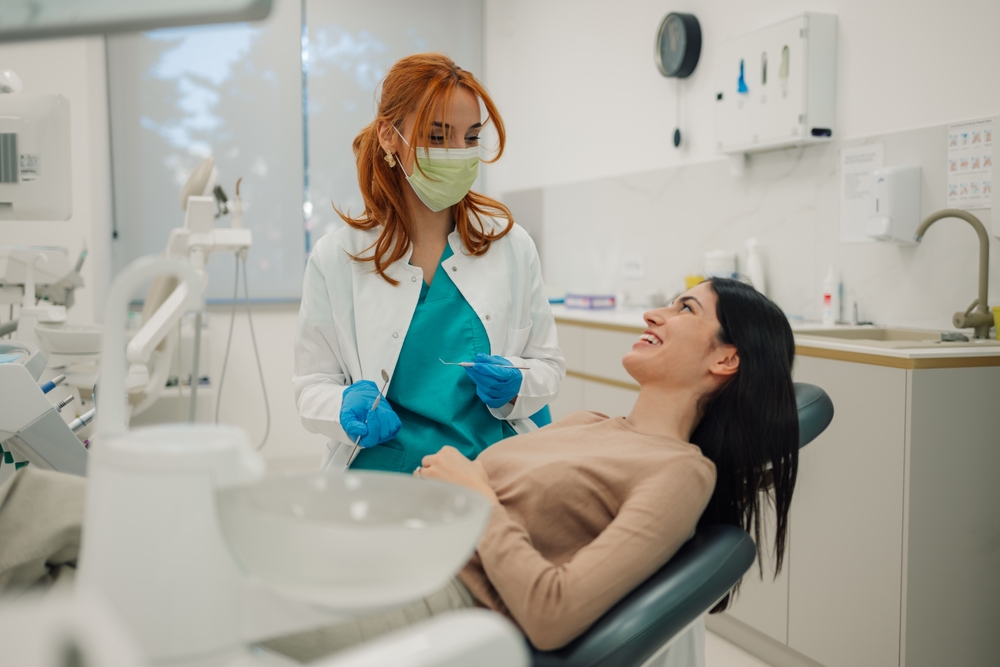
Why is preventive dental care important? By seeing your dentist regularly, you can help catch dental issues early. Preventive dentistry in Conroe includes regular dental exams, professional cleanings, and other treatments as recommended according to your oral health needs. What’s more, the checks are not just about keeping your smile nice and clean. They also allow your dentist to see changes that might need attention. Tackling issues early on could help avoid more complex treatment later and, in turn, contribute to healthier teeth and gums over time.
Why Can Preventive Care Help Control Dental Costs?
Dental problems can worsen if left untreated. For example, a small cavity may be easier to treat when found early, but it may require more extensive treatment if it progresses.
Regular dental visits can help find:
- Early cavities
- Gum problems
- Cracked or damaged teeth
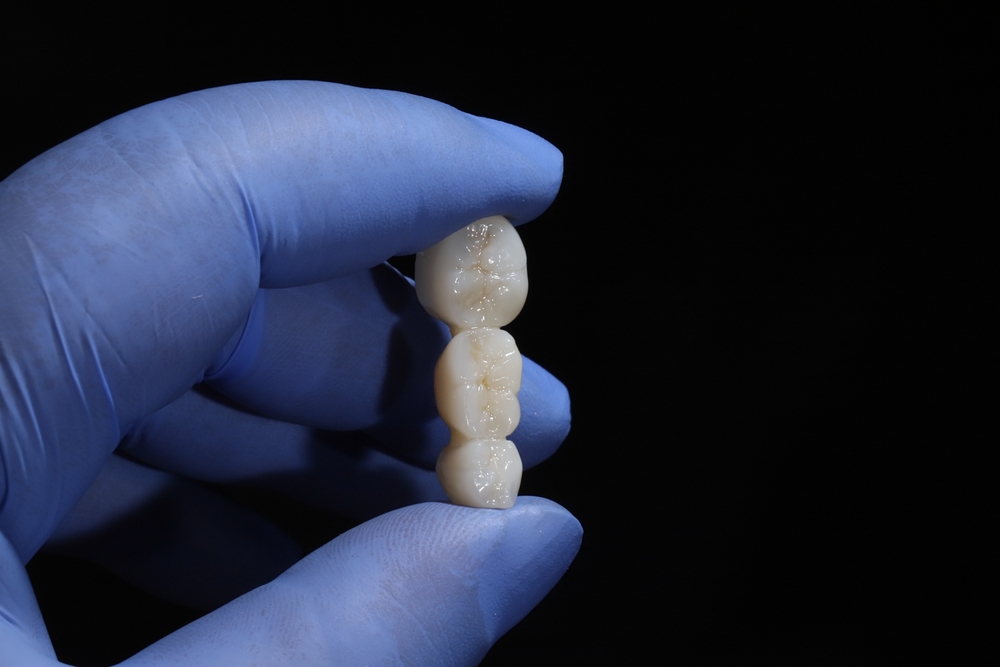
- Problems with fillings, crowns, or other dental work
- Areas that need regular checks
Early treatment cannot prevent every serious dental problem, but it can help identify and treat issues before they worsen.
What Does Preventive Dental Care Usually Include?
A dentist in Conroe may recommend different preventive services depending on oral health, dental history, age, and risk factors.
Common preventive care may include:
- Dental examinations
- Professional teeth cleanings
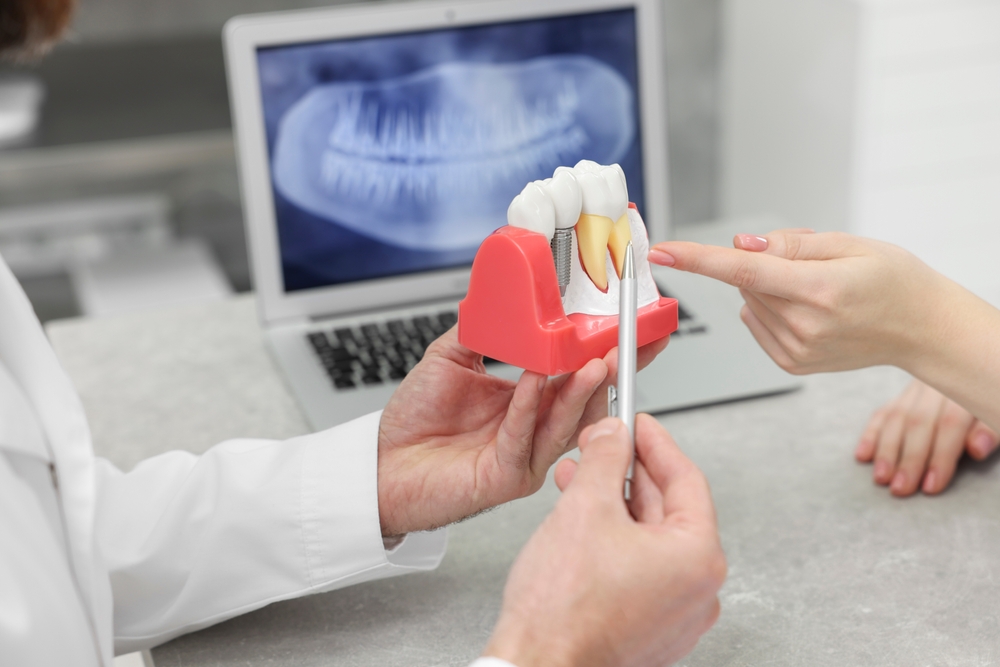
- Dental X-rays, when appropriate
- Fluoride treatments in suitable cases
- Oral hygiene guidance
- Monitoring of existing dental concerns
The goal is to maintain oral health and identify changes that may need attention.
How Can Regular Cleanings Affect Long-Term Costs?
Plaque and hard buildup can collect around your teeth and gums, even if you brush and floss regularly. Professional cleanings help remove buildup that brushing at home may miss.
Regular cleanings can help keep your gums healthy and make it easier to spot dental problems early. How often you need a cleaning depends on your oral health and your dentist’s advice.
How Often Should You Schedule a Dental Checkup?
There is no single answer that applies to every patient. Some may benefit from routine visits twice a year, while others may need appointments more or less often based on their oral health.
The recommended timing may depend on:
- History of cavities
- Gum health
- Age
- Oral hygiene habits
- Previous dental treatment
- Risk of developing new dental problems
Following an individualized schedule can help keep routine monitoring consistent.
Can Preventive Dentistry Reduce the Need for Major Treatment?
Preventive care cannot prevent every dental problem, but it may help reduce the chance of untreated issues becoming more serious.
For example, early detection of tooth decay may allow a dentist to discuss treatment before the damage becomes extensive. Similarly, identifying gum changes early may allow appropriate care before the condition progresses.
The potential savings depend on the individual’s dental health and the type of problem involved.
What May Happen When Routine Care Is Delayed?
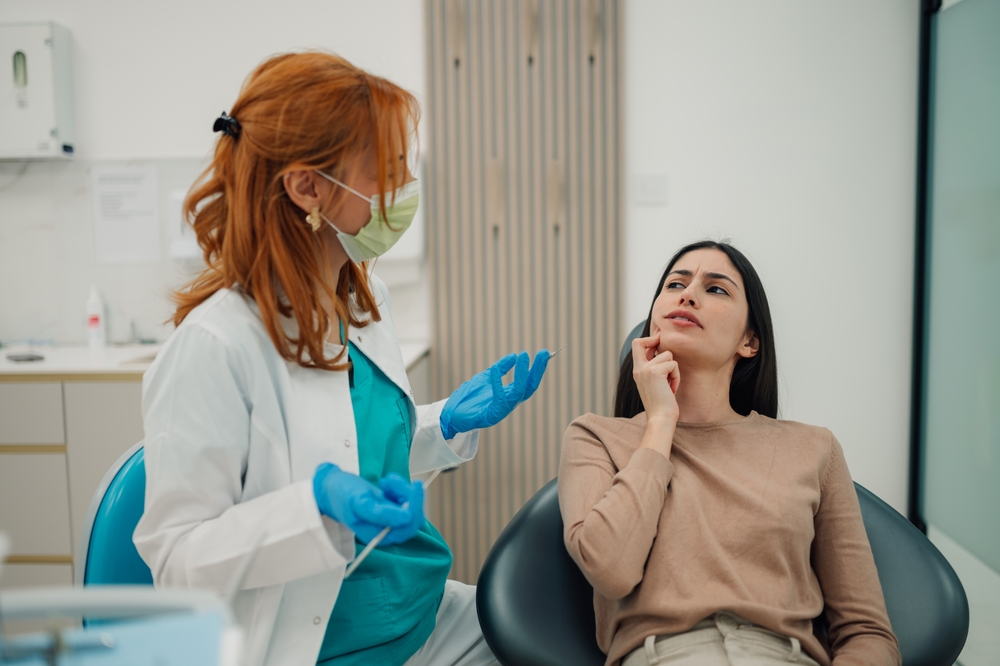
A dentist near you can evaluate problems that may not be obvious at home. Without regular examinations, some dental concerns may remain unnoticed until symptoms develop.
Delaying care can sometimes result in:
- Larger areas of tooth decay
- More advanced gum problems
- Greater tooth damage
- More complex treatment needs
- Increased treatment time and cost
Not every untreated problem will progress in the same way, but early assessment provides more opportunities for timely care.
Which Preventive Habits Can Help at Home?
Professional dental care works with your daily habits. Simple steps can help keep your teeth and gums healthy between visits.
Helpful daily habits include:
- Brush your teeth twice a day with fluoride toothpaste.
- Clean between the teeth regularly.
- Limit frequent sugary snacks and drinks.
- Avoid using teeth to open packages or bite hard objects.
- Pay attention to changes such as bleeding gums or tooth sensitivity.
Good home care does not replace dental examinations, but it plays an important role in maintaining oral health.
Is Preventive Dentistry Worth the Cost?
Preventive care can be a practical part of long-term dental planning because it focuses on maintaining oral health and finding concerns early. The financial benefit varies from person to person and cannot be guaranteed.
The value may come from addressing manageable problems sooner, avoiding unnecessary delays, and tracking changes over time.
Want to Stay Ahead of Your Dental Health?
Keeping up with routine dental visits can help you stay informed about your oral health and spot potential concerns before they become more difficult to manage. Book your appointment today to have your teeth and gums evaluated, discuss your preventive care needs, and understand which routine services may be suitable for you. Keysmiles Dental can help you build a practical approach to caring for your smile now and in the years ahead.
FAQs
Is a dental cleaning needed if your teeth feel healthy?
Yes. Some dental problems may not cause pain or other signs at first. Regular checkups and cleanings can help find problems that may be hard to notice at home.
How often should you get a dental checkup?
It depends on your oral health. Your dentist can tell you how often to visit based on your dental history and needs.
Does preventive care only check for cavities?
No. It also checks your gums, dental work, and signs of tooth damage. It helps you keep your teeth and gums healthy.
Can good brushing replace professional dental visits?
No. Brushing and cleaning between the teeth are important, but professional examinations can identify concerns that may not be visible or noticeable at home.