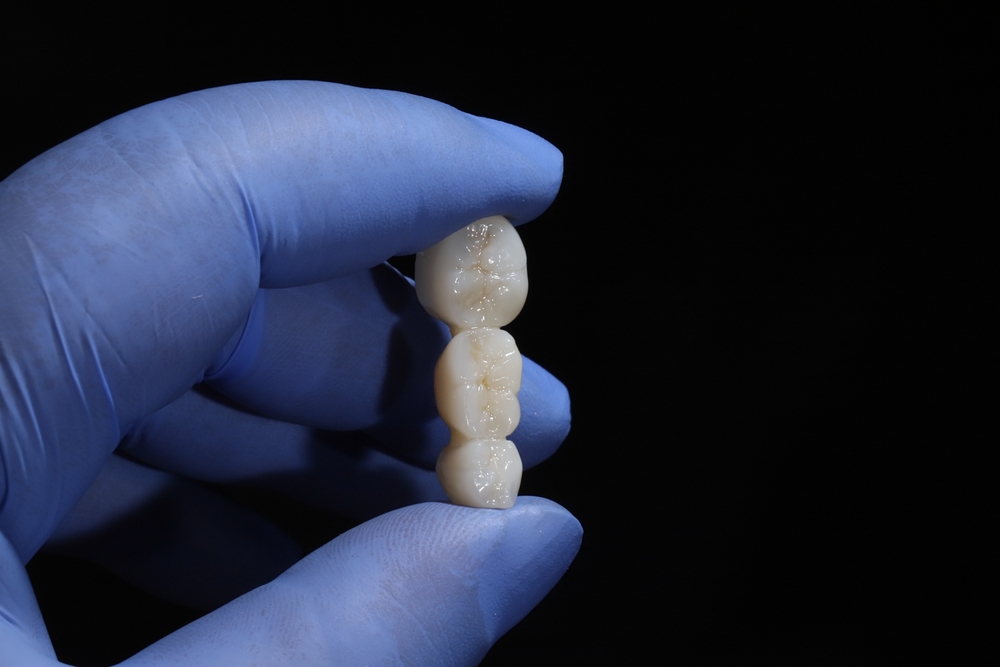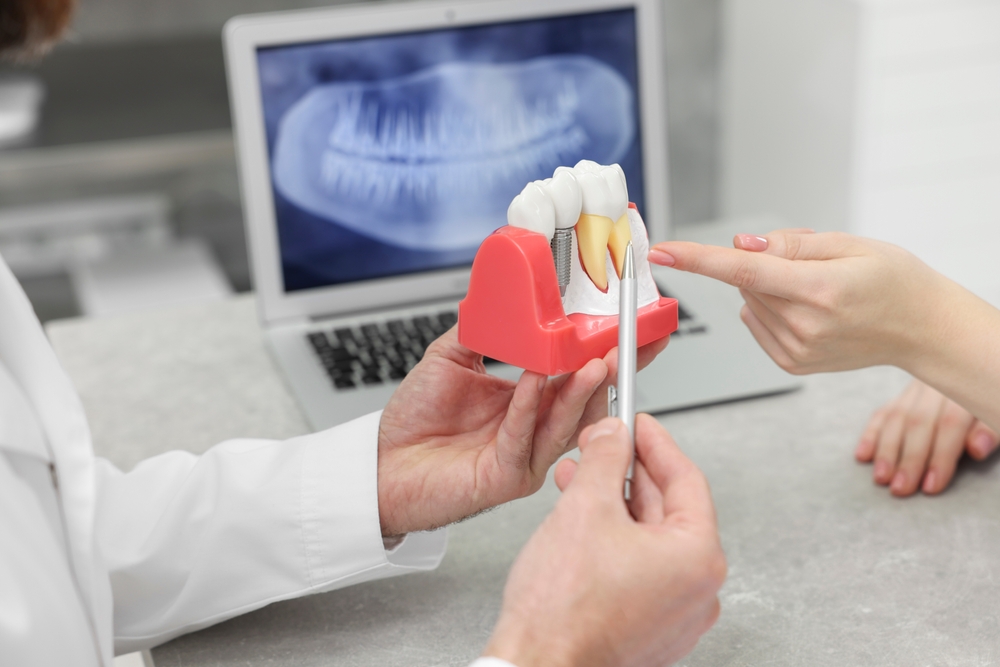

Have you ever wondered how long a composite filling can last under strong, everyday conditions? Composite fillings help restore the shape and function of teeth damaged by cavities, small cracks, or other minor damage. A dental office near you can have a dental professional examine the tooth; the professional would need to evaluate the damage and determine whether a composite filling is suitable. Even though the longevity of these fillings can be many years, it can vary widely.
Depending on location, bite, oral hygiene, and habits, a filling can last for varying periods; however, the most commonly used composite filling will last well over 5 years.
What Are Composite Fillings?
Composite fillings are made from a tooth-coloured material that can be shaped to repair a damaged area. The material is placed into the prepared tooth and hardened to restore its shape and function.
Composite fillings in Conroe may be considered for cavities or certain small areas of tooth damage. The suitability of this material depends on the size and location of the repair, as well as the condition of the tooth.
How Long Do Composite Fillings Usually Last?
A composite filling can often last about 5 to 10 years. Some may last longer with good care. There is no set time for every filling because each tooth and filling is different.
Factors that can affect its lifespan include:
- The size of the filling
- Where the filling is located
- The amount of chewing pressure
- Oral hygiene habits
- Frequent exposure to sugary foods and drinks
- Teeth grinding or clenching
- Changes or damage to the surrounding tooth
Regular dental examinations can help monitor the condition of an existing filling.
What Affects the Life of a Composite Filling?
A dental office in Conroe may consider several factors when checking an older filling. Back teeth often experience stronger chewing forces than front teeth, which can affect how long a restoration remains intact.
Large fillings can put more pressure on the rest of the tooth. Biting hard objects, chewing ice, or grinding your teeth can put extra pressure on the filling or tooth and may cause it to wear or break.
What Are the Benefits of Composite Fillings?
One main benefit of composite fillings is that they look like natural teeth. The filling can be matched to your tooth color, making it less noticeable.
Other potential benefits include:
- A natural-looking appearance
- The ability to repair certain areas of decay
- Bonding with the tooth structure
- Useful for both front and back teeth in appropriate cases
- The ability to restore the shape of a damaged area
The best material depends on the tooth, the size of the repair, and individual dental needs.
How Can You Tell If a Filling Needs Attention?
A filling may need to be checked if there are changes in the tooth or the surrounding area. Some problems may be noticeable, while others may only be found during a dental examination.
Possible warning signs include:
- New or increasing tooth sensitivity
- Pain when chewing
- A chipped or broken filling
- Food repeatedly gets trapped in the area
- A rough or changed surface
- Tooth pain that does not go away
A filling should not be replaced simply because it has reached a certain age. Its condition and the tooth’s health are more important factors.
How Can You Make Composite Fillings Last Longer?
Good daily care can help protect your filling and the surrounding tooth. Keeping your teeth clean can reduce plaque and lower the risk of new cavities.
Helpful habits include:
- Brush twice a day with fluoride toothpaste.
- Clean between your teeth every day.
- Limit sugary snacks and drinks.
- Avoid chewing ice or very hard objects.
- Wear a mouthguard if recommended for sports or teeth grinding.
- Get regular dental checkups.
These habits cannot guarantee how long a filling will last, but they can help keep the restored tooth healthy.
When Should an Old Filling Be Replaced?
An older filling may need replacement when it becomes damaged, worn, loose, or affected by new decay. Sometimes a dental examination or X-ray is needed to identify changes that are not easily seen.
The decision depends on the condition of the filling and the tooth rather than its age alone. In some cases, repairing a small problem may be possible instead of replacing the entire filling.
Ready to Check the Condition of Your Filling?
Even an older filling may continue to function well, while a newer one may need attention if you notice changes in the tooth or surrounding area. Book your appointment today to have your filling and tooth carefully examined, discuss any discomfort or concerns you may have, and learn whether monitoring, repair, or another treatment may be appropriate. Keysmiles Dental can help you understand your options and plan the next step for your oral health.
FAQs
Can composite fillings last more than 10 years?
Yes, some composite fillings can last over 10 years. Their lifespan depends on the filling’s size and location, chewing pressure, oral care, and daily habits.
Do composite fillings wear down?
They can gradually wear over time, especially when exposed to strong chewing forces or teeth grinding. Regular dental checks can help identify signs of wear.
Can a composite filling fall out?
Yes. A filling can loosen or fall out if it becomes damaged or worn, or if the surrounding tooth changes. If a filling falls out, have the tooth checked by a dentist.
Are composite fillings only used for front teeth?
No. Composite fillings can be used on both front and back teeth. The right choice depends on the tooth, the size of the damage, and its condition.