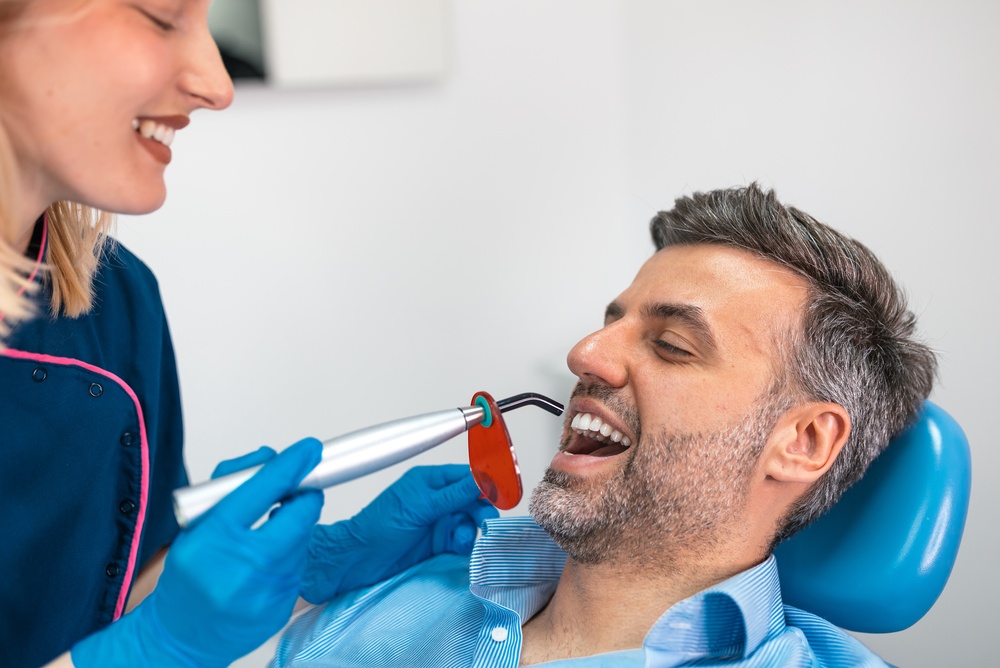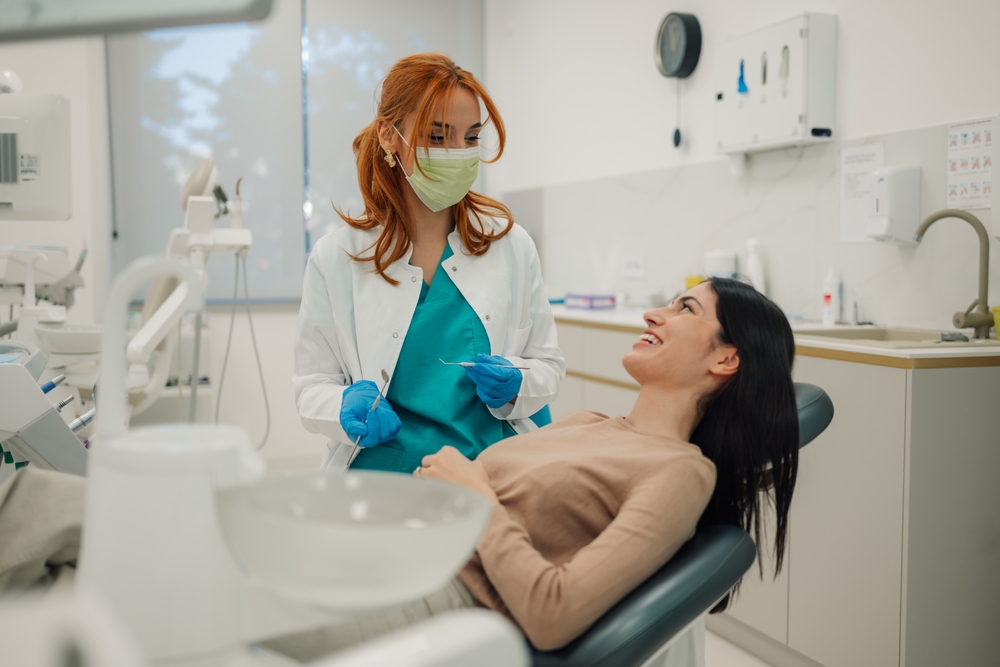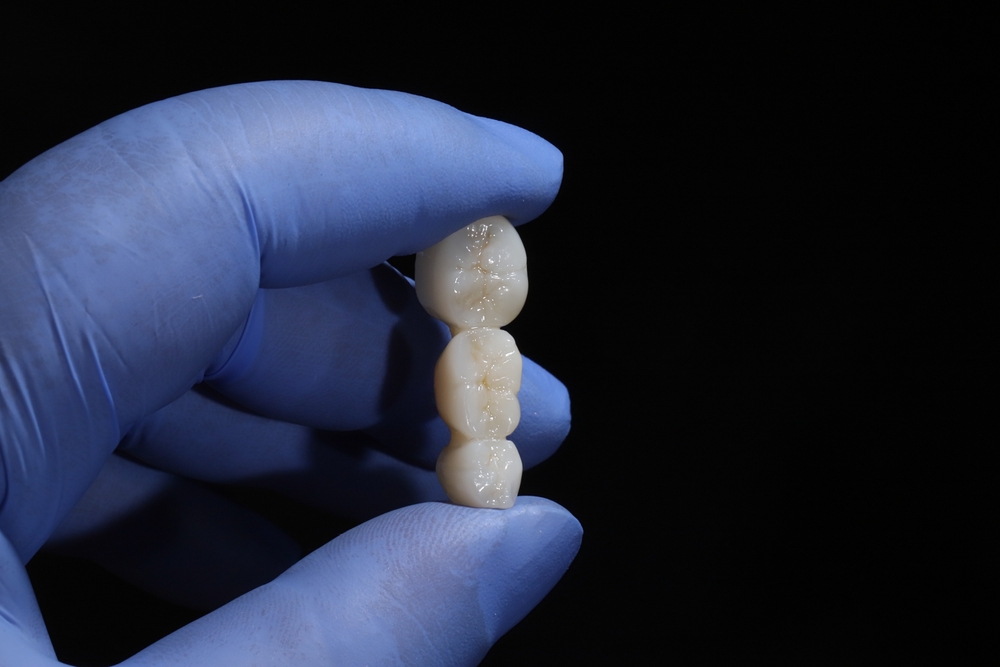

Healthy gums help keep your teeth strong and your mouth healthy. Regular dental cleanings remove plaque, tartar, and stains from your teeth. But if you have gum disease, a regular cleaning may not be enough. A dentist in Conroe may recommend a deeper cleaning to remove harmful buildup from below the gum line. The right type of cleaning depends on the condition of your gums, the amount of tartar, and whether the tissues around your teeth show signs of damage. Periodontal cleaning is not necessary for everyone. It is usually recommended when gum disease requires care beyond a routine cleaning.
Understanding the difference can help you know why a specific treatment is suggested and how it may help protect your teeth.
What Is the Difference Between Periodontal and Regular Cleaning?
The main difference between periodontal and regular cleaning is the depth to which the teeth and surrounding areas need to be cleaned.
A regular dental cleaning focuses on removing plaque and tartar from the teeth and around the gumline. It helps prevent gum disease and supports healthy teeth and gums.
Periodontal cleaning, often called scaling and root planing, is used to treat gum disease. It removes plaque and hardened tartar from below the gumline and smooths the root surfaces to help the gums heal and reattach where possible.
When Is Periodontal Cleaning Needed?
A dentist near you may recommend periodontal cleaning when an examination shows signs of gum disease, such as:
- Gums that bleed during brushing or flossing.
- Red, swollen, or tender gums.
- Gums pulling away from the teeth.
- Deep spaces between the teeth and gums.
- Persistent bad breath.
- Bone loss around the teeth is seen on dental X-rays.
Gum disease may cause little or no pain in its early stages. A dental examination and gum measurements can help identify problems that may not be easy to notice at home.
How Does Periodontal Cleaning Work?
Periodontal cleanings in Conroe may involve more than one visit, depending on the amount of buildup and the areas affected.
The process usually includes:
- Checking gum health: The dental team measures the spaces between the teeth and gums and checks for bleeding or signs of damage.
- Removing plaque and tartar: Special dental tools remove buildup from below the gumline.
- Smoothing the roots: The root surfaces are cleaned to help reduce areas where bacteria can collect.
- Supporting healing: The gums are checked over time to see how they respond to treatment.
Local anaesthesia may be used if the gums are sensitive or deeper cleaning is needed. Some tenderness or sensitivity can occur afterward, but it often improves as the gums heal.
What Happens If Gum Disease Is Left Untreated?
Plaque contains bacteria that can make your gums sore and swollen. If you do not remove plaque, it can harden into tartar, which a toothbrush cannot remove.
As gum disease gets worse, the gums may pull away from the teeth. This creates spaces where more bacteria can collect. Over time, the infection can damage the gums and bone that hold your teeth in place. In serious cases, teeth may become loose or need to be removed.
Periodontal cleanings near you can help control gum disease by removing buildup from the deeper areas of the mouth. The results depend on how bad the gum disease is, how well you clean your teeth at home, and how often you visit your dentist. You may also need regular deep cleaning visits to help keep your gums healthy.
How Can You Care for Your Gums After Treatment?
Daily care helps support healing and reduce the chance of gum disease returning.
- Brush your teeth twice a day with fluoride toothpaste.
- Clean between your teeth every day with floss or a tool recommended by your dentist.
- Avoid smoking and tobacco, as they can harm your gums and slow healing.
- Visit your dentist for regular checkups and gum care.
- Contact your dentist if bleeding, swelling, or pain persists or worsens.
Even after successful treatment, gum disease can return if plaque builds up again. Consistent home care and professional monitoring are important for long-term gum health.
Take the Next Step for Healthier Gums!
Healthy gums need the right care at the right time. Keysmiles Dental can assess your gum health, explain the findings, and help you understand which cleaning option may suit your needs. Book your appointment to discuss your concerns and create a care plan that supports your teeth and gums.