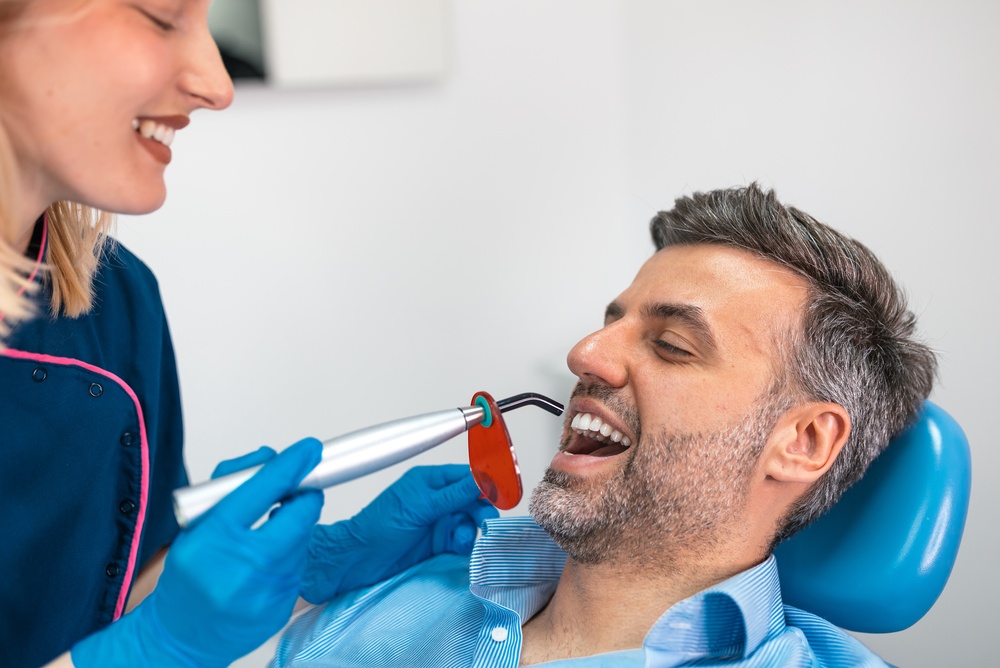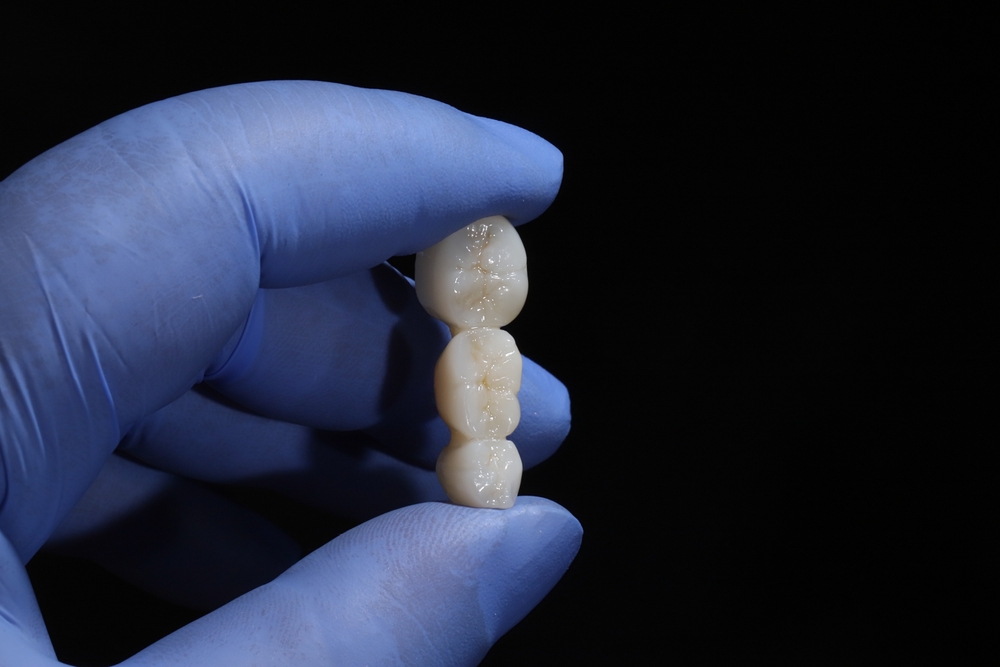

Dental veneers are thin coverings placed on the front of teeth to improve their colour, shape, and appearance. However, veneers are usually not reversible because traditional veneer treatment often involves removing some natural tooth enamel. Once enamel is removed, it cannot grow back. This means the teeth may need veneers or another type of restoration in the future. A dentist in Conroe can examine your teeth, explain how much preparation may be needed, and help you understand the long-term commitment. Some veneers require little or no enamel removal, but they are not suitable for every smile.
Knowing the differences before treatment can help you decide whether veneers fit your needs and expectations.
Why Are Most Veneers Not Reversible?
Traditional porcelain veneers usually require a thin layer of enamel to be removed. This helps the veneers fit against the teeth without adding too much thickness. Because this change is permanent, the teeth may need continued protection after the original veneers are removed or replaced.
Composite veneers may need less preparation in some cases, depending on the tooth shape and the planned result.
Important points to consider include:
- Permanent enamel changes: Removed enamel does not grow back.
- Future maintenance: Veneers can chip, loosen, or wear down over time.
- Possible replacement: Damaged or worn veneers may need repair or replacement.
Are No-Prep Veneers Completely Reversible?
No-prep veneers are designed to require little or no removal of natural enamel. They may be suitable for teeth that need small changes in shape or appearance. However, they are not right for everyone.
Adding material without enough space can make teeth look too thick or affect how the upper and lower teeth fit together. Even if only a small amount of enamel is removed, removing veneers later may require a dentist’s help and could affect the tooth surface.
A dentist near you can explain which type of veneer is right for your teeth. The choice depends on how your teeth fit together, their position, the health of the outer layer of your teeth, and the changes you want to make to your smile.
What Happens if You Want Veneers Removed?
Veneers can be removed by a dental professional, but removal does not restore enamel that was taken away during the original treatment. The next step depends on how much natural tooth structure remains and whether the teeth need added protection.
After removal, possible options may include:
- Replacing the veneers with a new set.
- Choosing another type of veneer.
- Considering a crown if the tooth needs more coverage.
- Reviewing other ways to improve the tooth’s appearance.
Do not try to remove veneers yourself. Doing so can damage the tooth surface or surrounding gums. A dental examination is needed to decide what is safe and suitable.
What Should You Consider Before Getting Veneers?
Before choosing veneers in Conroe, think about your dental health, the changes you want, and the care you may need in the future. Veneers can improve the appearance of your teeth, but they do not replace good dental care or fix all dental problems.
Keep these points in mind before making your decision:
- Tooth and gum health: Cavities and gum disease may need to be treated first.
- Teeth grinding: Grinding or clenching your teeth can increase the chance of chips or cracks.
- Expected results: Veneers can change the colour and shape of your teeth, but they cannot straighten teeth like braces or clear aligners.
- Long-term costs: Veneers may require repair or replacement over time.
- Daily care: Brushing, flossing, and regular dental checkups are still important.
Before treatment, ask a dentist near you how much of the outer layer of your teeth may need to be removed and if there are other treatment options.
What Are the Alternatives to Veneers?
Veneers are not the only way to improve the appearance of teeth. Depending on the concern, other treatments may offer a suitable option with less risk to the natural tooth.
Possible alternatives include:
- Teeth whitening: Helps make natural teeth look whiter by reducing some stains. It does not change the shape of teeth or whiten veneers, crowns, or fillings.
- Dental bonding: Uses tooth-coloured material to fix small chips or change a tooth’s shape. In some cases, little or no enamel needs to be removed.
- Clear aligners: Slowly move teeth into better positions when the main concern is crooked or uneven teeth.
A dentist in Conroe can compare these choices and explain their benefits, limits, and possible effects on your natural teeth.
Give Your Smile a Plan That Lasts!
Choosing veneers involves more than deciding how you want your teeth to look. It also means understanding the changes involved, the care your teeth may need over time, and the alternatives available before making a long-term commitment. Taking time to weigh these details can help you feel more prepared to choose a treatment that suits your needs and expectations.
At Keysmiles Dental, you can explore cosmetic dental options, ask questions about enamel preservation and future maintenance, and gain a clearer understanding of what each treatment may involve. Make space for an informed decision about your smile and book your appointment to discuss the possibilities with the dental team.